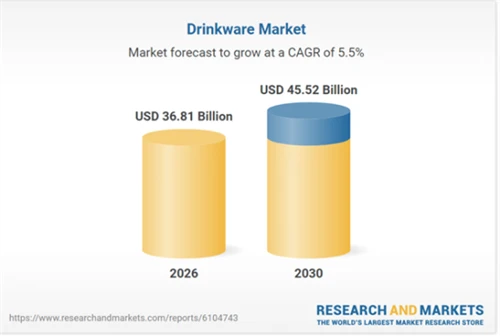

Global Plastic Food Contact Materials Enter a Strict Regulatory Era
For the global plastic products supply chain, 2025–2026 marks a major turning point. European and American buyers of plastic cups, plastic catering items, and food‑contact plastics previously focused mainly on price, capacity, delivery, and design. With rising food safety standards, compliance capability has become the core competitive advantage for market access.
In Europe, Regulation (EU) 2025/351 amends (EU) No 10/2011 and significantly tightens requirements on material safety assessment, substance management, reusable product controls, and supply‑chain transparency. Official guidance is available on the European Commission Food Contact Materials page.
Manufacturers of Large Plastic Wine Glasses For Centerpieces, plastic wine glasses, banquet supplies, and reusable plastic catering products must now adapt materials, design, testing, labeling, and documentation systems. When sourcing large plastic wine glasses wholesale, buyers will prioritize suppliers with proven regulatory compliance capability.
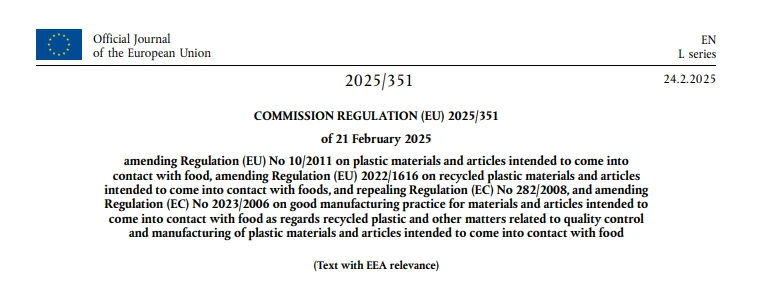
1. EU Regulation (EU) 2025/351 as the Global Focus
The amendment centers on four key directions:
- Raising purity requirements for substances used in food‑contact plastics
- Strengthening risk assessment of non‑intentionally added substances (NIAS)
- Reinforcing safety management of reusable plastic articles
- Adjusting migration testing and compliance documentation requirements
Safety management must now cover not only intentionally added chemicals but also degradation products, side‑reaction products, impurities, and contaminants arising during production. Manufacturers need stronger raw‑material tracing, formulation control, and risk analysis systems.
2. Higher Purity Requirements
Low‑quality raw materials face growing elimination risk. Unknown impurities, residual monomers, and contaminants will become key audit points. For producers of Large Plastic Wine Glasses For Centerpieces, resin origin, supplier qualifications, additive compliance, and process control determine European market access. Buyers increasingly require Declaration of Compliance documents, third‑party migration reports, and batch traceability.
3. NIAS Risk Assessment Threshold Raised
When NIAS migration exceeds 0.00015 mg/kg, detailed risk assessment-including identification, toxicology, and exposure evaluation-is required. Testing must expand beyond known restricted substances (heavy metals, plasticizers) to cover degradation products from high‑temperature processing, additive reaction compounds, and contaminants in recycled plastics. Failure to demonstrate safety can lead to customs detention, recalls, delisting, and brand damage. The EU RASFF system continues to highlight these risks.
4. Reusable Plastic Product Requirements
Reusable plastic cups, wine glasses, and banquet items must provide clearer lifecycle information: expected service life, cleaning and maintenance instructions, performance changes after prolonged use, and warnings about improper use. Simple "Reusable" labeling is no longer sufficient. These rules directly affect packaging and instructions for large transparent plastic wine glasses and hotel banquet products.
5. Migration Testing Adjustments
Test conditions must better reflect actual use environments, including high‑temperature and long‑term contact. Reusable products may require simulated aging tests. This increases testing costs and extends product development cycles for items such as Large Plastic Wine Glasses For Centerpieces.
6. Global Regulatory Synchronization
| Region | Key Development | Focus Areas |
|---|---|---|
| European Union | Regulation (EU) 2025/351 | Purity, NIAS, reusables, migration |
| United States | FDA strengthens recycled plastic oversight via NOL | Contaminant control, PCR safety |
| Japan | Positive‑list system fully enforced | Approved materials & additives only |
| United Kingdom | Advancing BPA‑related restrictions | Formulation changes for catering items |
| Switzerland | Updated positive list | Tighter permitted substance control |
| China | New national food‑contact standards | Materials, additives, test methods |
US importers increasingly rely on the FDA recycled plastics database when evaluating PCR materials. The overall trend is clear: competition is shifting from low cost to safety, transparency, and traceability.
7. Challenges for Buyers and Manufacturers
Buyers face higher supply‑chain audit pressure and must verify regulatory compliance, stable raw‑material sources, complete documentation, and adaptability to change. Manufacturers encounter higher testing costs, the need to update labels and packaging for reusable products, inventory management during transition periods, and elevated RASFF notification risk.
8. Professional Manufacturer Support
Our company specializes in the research, development, and production of plastic wine glasses and related food‑contact plastic articles. The product range includes Large Plastic Wine Glasses For Centerpieces, disposable plastic wine glasses, reusable plastic stemmed glasses, and related banquet series.
With professional production equipment, strict quality systems, and established export capabilities, we provide European and American customers with plastic catering solutions that meet international regulatory requirements.
Conclusion
The 2025–2026 regulatory upgrades are redefining international trade rules for plastic food‑contact materials. Buyers who audit supply chains early and select compliant partners reduce future risk. Manufacturers who invest in regulatory awareness, quality control, and long‑term service capability will remain competitive in European, American, and global markets.
About Hongrun New Materials – Your Reliable Compliant Plastic Drinkware Partner
Hongrun New Materials specializes in the development and production of food‑contact plastic drinkware, including reusable plastic wine glasses, champagne cups, whiskey cups, beer cups, and customized beverage containers. With more than ten years of industry experience, we have established a complete quality control system covering raw material selection, production processes, compliance testing, and global export documentation.


We use food‑grade PET, Tritan, SAN, and PLA materials that comply with FDA requirements and are BPA‑free. We provide raw material certificates, traceability records, compliance declarations, and third‑party testing support to help customers meet strict regulations in the EU, USA, UK, Japan, Australia, and other international markets.
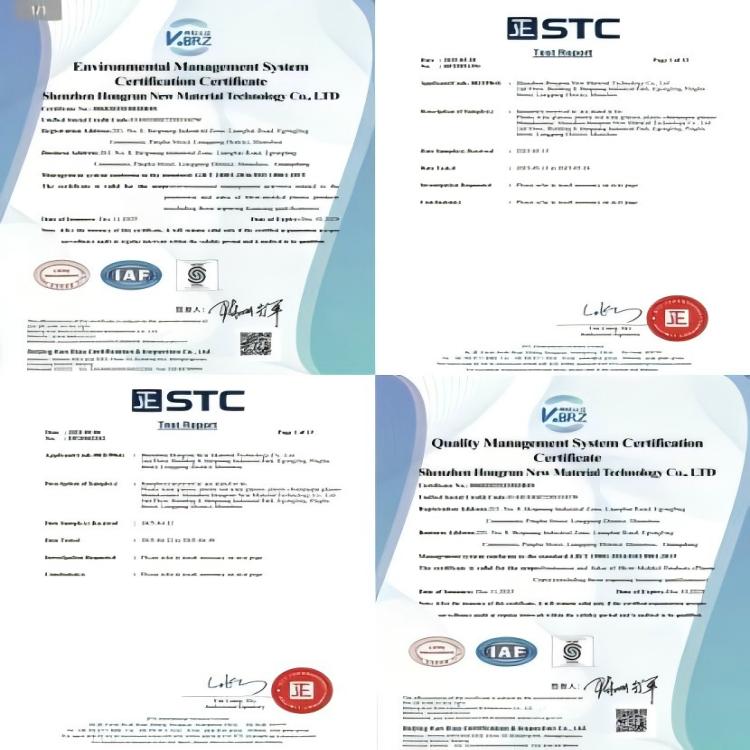
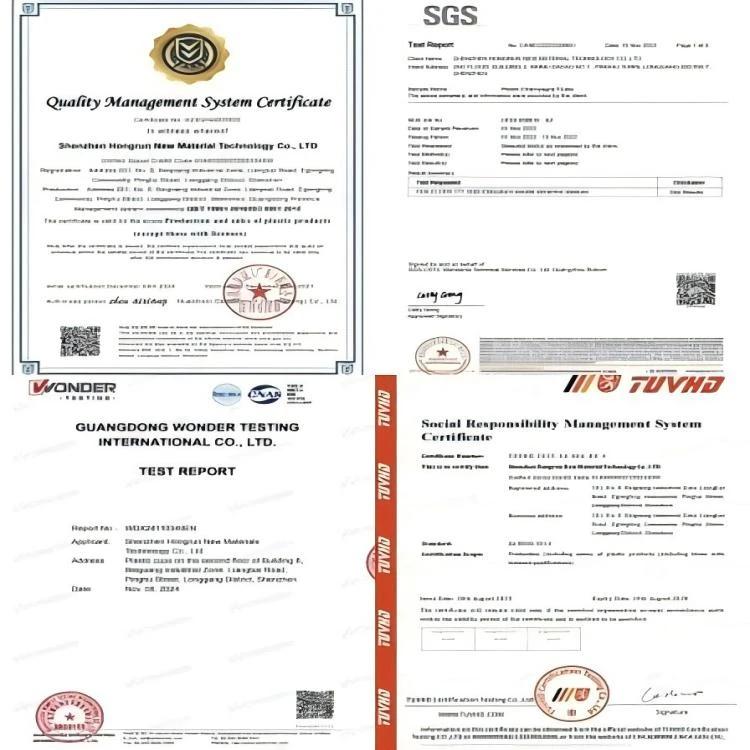
Through advanced manufacturing technology and professional formulation management, we control NIAS risks, migration performance, and product durability to reduce customs risks, recalls, and compliance concerns. For reusable plastic drinkware, we support customized labels, packaging, care instructions, lifetime information, and warning requirements according to market regulations.

With flexible OEM/ODM capabilities, customized printing, and packaging solutions, Hongrun New Materials helps global buyers create safe, reliable, and market‑ready plastic drinkware products while reducing development costs and shortening product launch cycles.
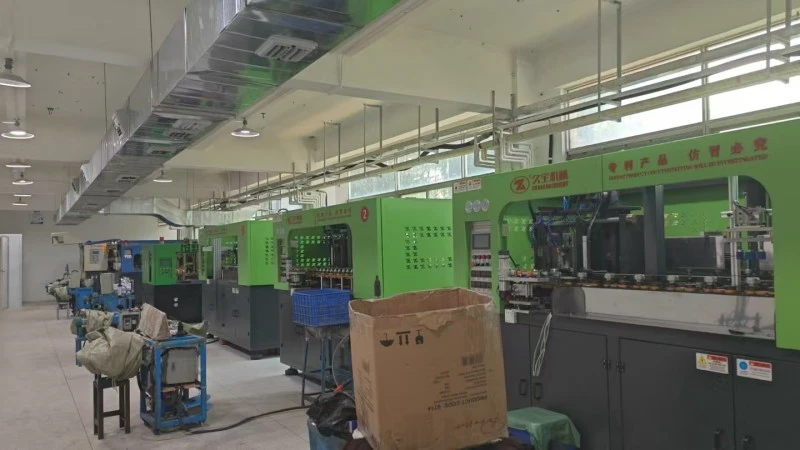
Choosing Hongrun means choosing compliance, quality, and long‑term supply stability.
References
More product information and factory introduction: wineglassfactory.com
1.European Union Regulation (EU) 2025/351: https://eur-lex.europa.eu/eli/reg/2025/351/oj/eng
2.European Union Rapid Alert System for Food and Feed (RASFF): https://food.ec.europa.eu/food-safety/rasff_en
3.U.S. FDA Recycled Plastics Database: https://www.hfpappexternal.fda.gov/scripts/fdcc/index.cfm?set=RecycledPlastics
4.European Commission – Food Contact Materials Regulations: https://food.ec.europa.eu/food-safety/chemical-safety/food-contact-materials_en